Ulrica, 2022–2026
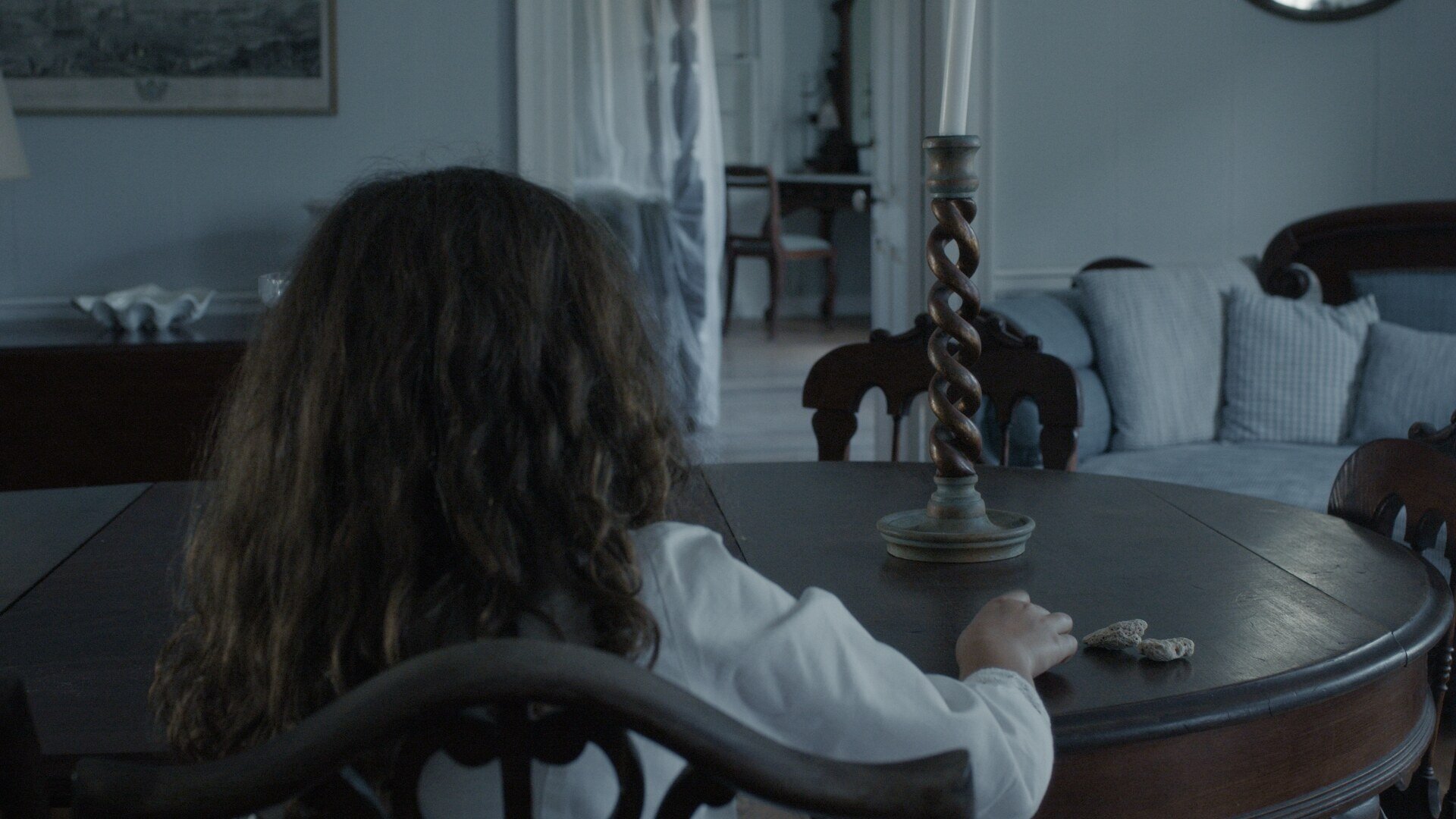
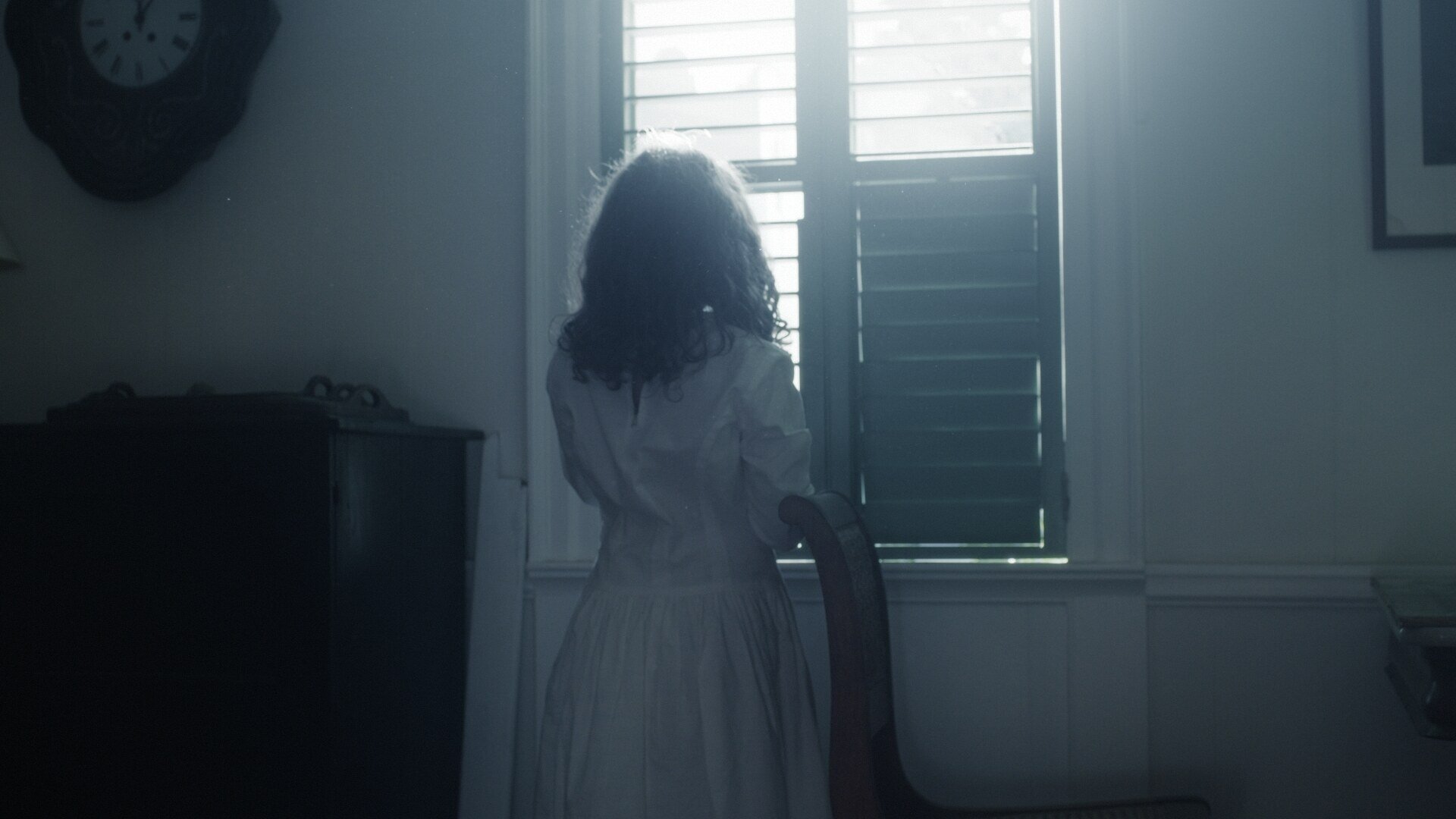
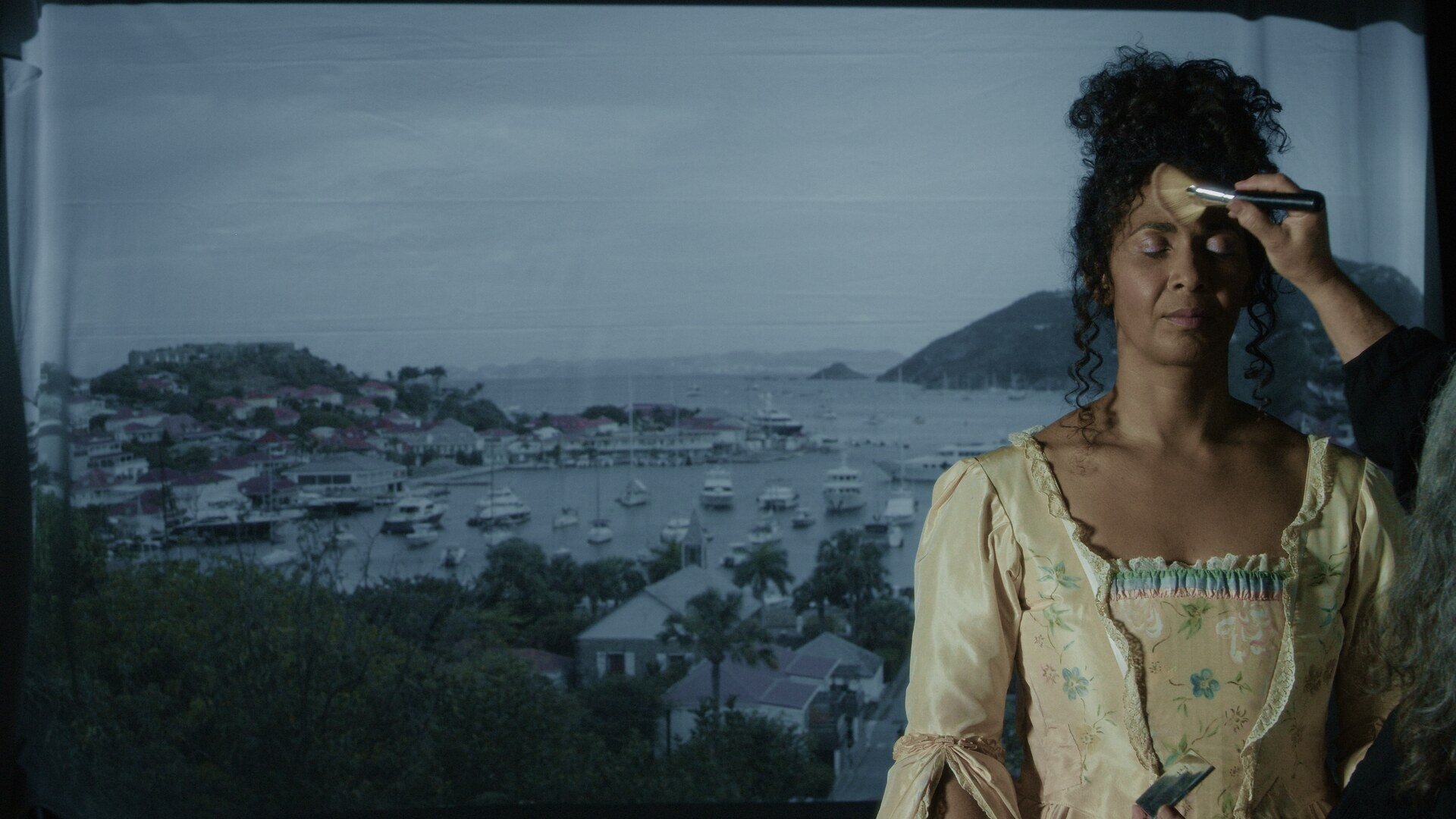
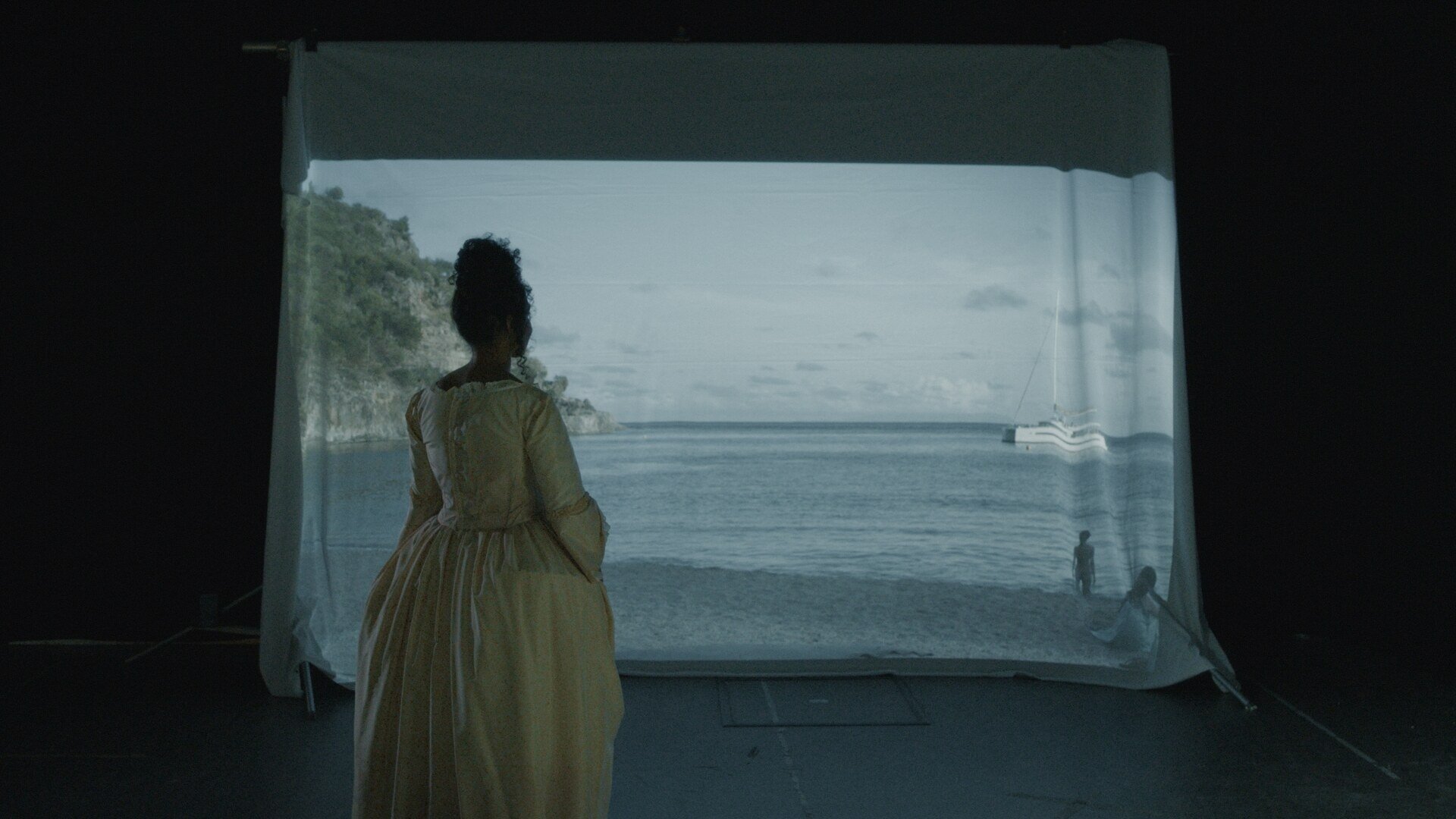
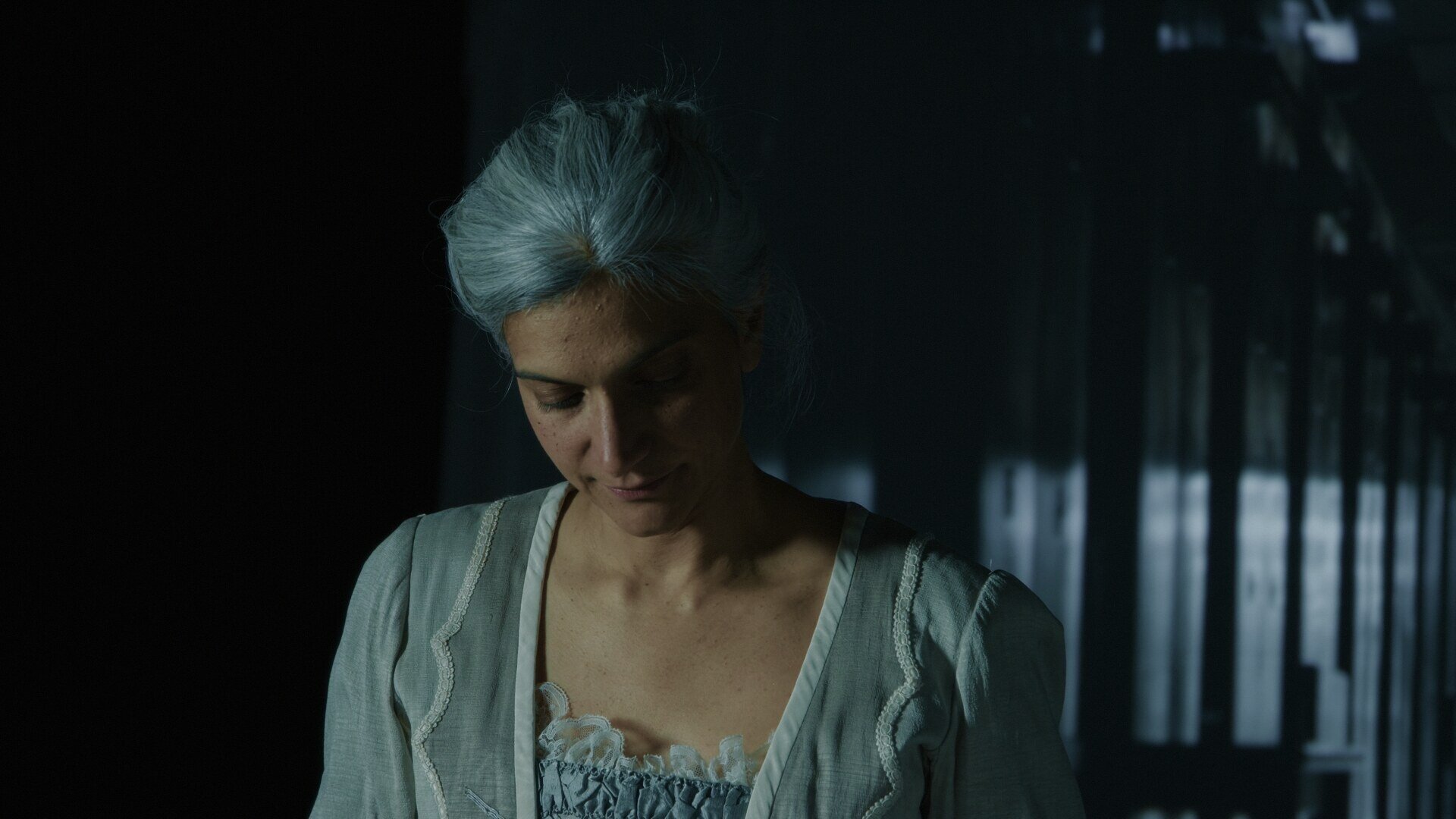
2-channel video installation, stereo sound (15 min)
The video installation Ulrica looks for traces of a woman whose history is fragmentary and shaped by the racial categories and notions of belonging of her time, but also by our contemporary reading of that history. Using staged portraits, the work examines how our interpretation of Ulrica changes depending on how we imagine her.
Ulrica was born in Saint Barthélemy in the early 1790s to the ‘free Black’ woman Mary Audain. Her father was the Swedish colonel Robert Montgomery, who had been sent to the island by King Gustav III for treason. Ulrica’s history is not unique. Her story is one of many of children born to Swedish men on the island during the colonial period whose history has been forgotten, hidden and overlooked in Sweden’s historical narrative. In this work, the artist looks for traces of Ulrica in the archives and on the island today. As we approach the historical narrative, we can follow the narrator’s identification with a person whose history is based on the categorisations imposed on her by others.
Rather than trying to recreate an authentic Ulrica, the work asks what our assumptions about her say about ourselves, and how contemporary understandings about skin colour shape the stories we tell. The work also highlights the question of what counts as violent and what is considered violent. Is it the physical violence that breaks the law and leads to punishment, or is it the violence carried out in the name of the law – enslavement, flogging and the meticulous recording and categorisation of people?
With support from the Adlerbertska Foundation.